My KubeCon Survival Guide
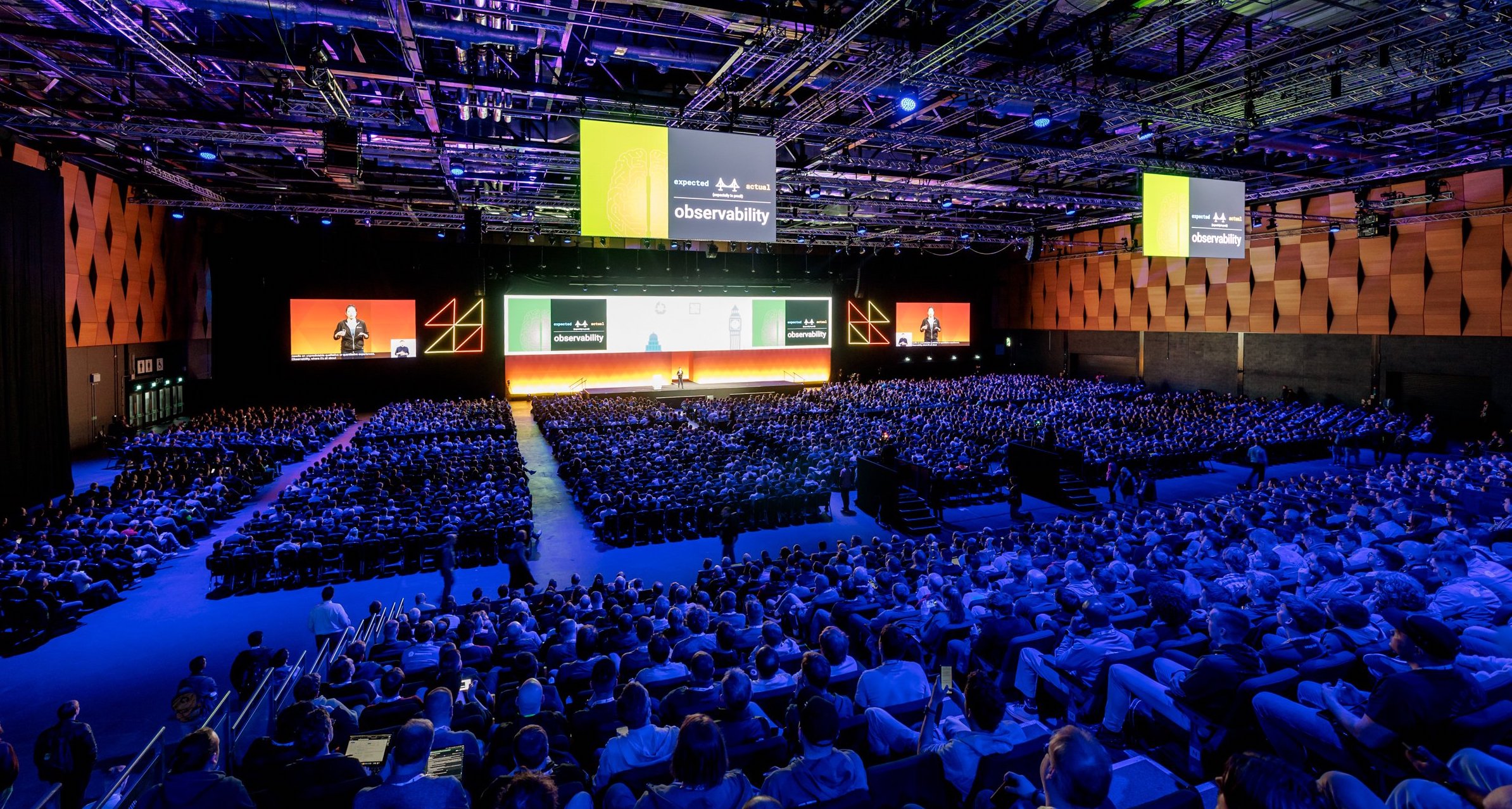
Start Here
Before I share my own take, I want to point you to an excellent guide by Marcus Noble. Marcus covers the full week schedule, co-located events, social events, and city logistics in great detail. A must-read before any KubeCon EU.
What follows is my complementary perspective, shaped by attending every European KubeCon since Amsterdam 2023.
My Top Tips
- Don’t overschedule the talks. Pick a handful of must-see sessions and leave the rest open. The real magic happens at the booths and in the hallways
- Get the Sched app and build your schedule ahead of time. It helps you organize what you want to attend and keep track of sessions across multiple rooms and days
- Don’t be shy. This is the hardest part for first-timers, but after the first couple of conversations you’ll realize that everyone is incredibly friendly and eager to share. The cloud native community is genuinely welcoming
- Talk to vendors and maintainers. The people behind the tools you use are right there. More on this in The Booths section below
- Be prepared to walk. A lot. I’m talking 30,000+ steps per day. Wear comfortable shoes and comfortable clothes. Your feet will thank you by day three
- Pack light. You will come home with a lot of swag. T-shirts (you’ll get a free one from KubeCon plus more from booths), stickers, socks, water bottles, you name it. I genuinely love swag from companies and projects I actually use; it’s the kind of stuff I’d pay for but you can only get it here. Make sure you have plenty of room in your luggage
- Set a calendar reminder in November. KubeCon early bird tickets typically go on sale mid-October and close mid-November, saving you roughly 50% off the standard price. Even if something comes up later, you can request a refund up to two weeks before the event (small 6% processing fee). Cloud Native Rejekts tickets are free but limited, so grab those as soon as registration opens
- Keep a list of questions throughout the year. When you hit a weird edge case, have a feature request, or wonder about a project’s roadmap, write it down. KubeCon is your chance to ask those questions face-to-face with the people who can actually answer them
- Download the venue maps beforehand. The venues are huge and you’ll waste time wandering around looking for rooms. Have the maps on your phone so you can navigate quickly between sessions and booths
- Take notes. Constantly. I create a dedicated page for each KubeCon where I dump everything: tool names, interesting conversations, booth demos, ideas, follow-ups. There is no way you’ll remember everything you see and discuss across four intense days. During the rest of the year I go back to those notes regularly, and they’re always more valuable than I expected
- Make a list of speakers you want to meet in person. Not just to attend their talks, but to actually find them and have a conversation. Speakers are usually around at booths, hallways, or parties. A quick “I loved your talk on X” or “I’ve been using your project for Y” goes a long way
- Bring an external battery. Your phone will die from all the networking, photos, maps, and schedule checking. A power bank is essential
- Eat when food is available, not when you’re hungry. The lunch rush is real, and you’ll waste 30 minutes in line if you time it wrong
The Booths
Most people see the sponsor booths as a swag collection opportunity. They’re missing the point.
What the booth area actually is:
- A condensed trade show where you can get live demos of tools you’ve been evaluating
- Direct access to engineers (not just sales), especially at smaller booths
- A chance to give feedback directly to the people building your tools
- Free food and drinks scattered throughout (your lunch strategy, honestly)
How I approach it:
- Before the conference, I make a list of tools I’m currently using or evaluating
- I visit those booths specifically and ask technical questions
- The CNCF Project Pavilion is separate from sponsors and worth dedicated time. Maintainers are right there, ready to talk
Booths I always stop by:
Red Hat - I was once a Red Hat Certified Engineer and never had an actual red hat. Now I have three, one from each KubeCon. Proof. They always have great swag and solid demos
Dash0 - Had amazing backpacks at KubeCon London 2025. Great team, worth a chat about observability
Infisical - I use Infisical heavily and genuinely love the product. Always good to talk to the team in person
ARMO / Kubescape - Kubescape is the free open-source project, ARMO is the commercial product on top. Was really impressed by both at KubeCon London 2025
Argo CD - My first GitOps tool. I still use it at work and always enjoy chatting about it
Flux - My GitOps tool of choice. The maintainers are always at the CNCF Project Pavilion and happy to chat
Harbor - Another project I run in production. Good place to ask about upcoming features and share feedback
MinIO-Was my go-to S3 storage, not anymoreVictoriaMetrics - Watching how they compete with Prometheus. Planning to try them out
Traefik - Great ingress/proxy project with a friendly team at the booth
GitLab - I still use it at work. Homelab runs on Forgejo, but nothing compares to GitLab CI and their CI/CD components
Canonical - I once loved Ubuntu, and I still have a soft spot for Canonical. Always nice to see what they’re up to in the cloud native space
Linux Foundation Education - If you hold any CNCF certifications (CKA, CKAD, CKS, etc.), stop by and pick up your certification pins
Mend / Renovate - If they attend. Renovate is one of my favorite projects
Mogenius - Thankful for their renovate-operator project, which I use heavily. Nice to put faces to the code
Robusta - I’ve used the project briefly, but I’ve always liked what they’re doing with Kubernetes troubleshooting
Veeam - I really like their K10 (Kasten) backup solution for Kubernetes
Upbound / Crossplane - I love Crossplane and use it extensively for infrastructure as code
The New Stack - I read their articles all the time. Always good to stop by and chat about what’s trending in cloud native
Tailscale - I really like Tailscale and use it daily for accessing my homelab remotely
Syntasso - Because that’s where I track down Abby Bangser
Spotify / Backstage / Roadie - I like the Backstage project and what it’s doing for developer portals
Spectro Cloud - I really like Spectro Cloud. They power my homelab Kubernetes cluster and their approach to cluster management is excellent
Hetzner - If they’re present. I use a Hetzner VM in my homelab and I always bug them about managed Kubernetes on Hetzner
vCluster - I like the project and have done implementations with it. Virtual clusters are a clever approach to multi-tenancy
Sidero Labs / Talos - Used Talos in the past. Interesting implementation of an immutable Kubernetes OS. Always checking in to see how they’ve evolved
Notable mentions: I somehow always end up stopping by Teleport and Pulumi as well.
Build your own list based on the tools you actually use. These conversations are far more valuable than grabbing random swag from booths you’ll never think about again.
My First KubeCon Changed Everything
KubeCon Amsterdam 2023 was my first. I walked in planning to attend talks. I walked out having barely seen any, and it was the best decision I never planned to make.
I spent the entire conference in the booth area, talking to speakers, maintainers, and the people who actually build the tools I use daily. That’s where I met Viktor Farcic and Whitney Lee in person, two people whose content had been shaping my work for years.
That experience taught me the most important lesson about KubeCon: the hallway track is the main event.
The Talks Are Not the Point
This sounds controversial, but hear me out:
- Every talk is recorded and available online within weeks
- You can watch talks at 1.5x speed from your couch
- You cannot replicate a hallway conversation from your couch
The talks serve a different purpose at the conference itself. Use the schedule to:
- Start with speakers, not topics. I first go through the schedule and pick talks from speakers I follow. Build your own list of speakers whose perspective you trust, and lock those in first. My never-miss list:
- Find people, not content. If a talk interests you, check who’s speaking, then find them at their booth or in the hallway afterward
- Use talks as rest periods. After hours of networking, sitting in a dark room listening to someone is genuinely restorative
- Attend niche talks in smaller rooms. The big keynotes are the most likely to be watched online. The 50-person room talks are where the real gems hide, and where you can actually talk to the speaker afterward
The Co-Located Events Are Worth It
The day before KubeCon proper, there are co-located events. These are focused, single-track conferences on specific topics. Some highlights:
- Platform Engineering Day is worth checking out if that’s your area
- Agentics Day - MCP and AI agents are a hot topic right now, and this is a great place to see where the cloud native ecosystem is heading with them
- Cloud Native Rejekts (the Saturday before) is the “b-side conference,” a platform for talks that were submitted to KubeCon but didn’t make the main schedule. Free to attend, more intimate, and by all accounts one of the best community-driven events of the week. Marcus Noble calls it one of his all-time favorite conferences. I haven’t attended yet, but this year will be my first, and I’m looking forward to it
- Pick based on your current work, not what sounds cool. You’ll get more value from a day focused on something you’re actively dealing with
For First-Timers
- You belong here. Imposter syndrome hits hard at KubeCon. Remember: everyone started somewhere, and the community is genuinely welcoming
- Start conversations at booths. It’s the easiest icebreaker. “What does your tool do?” or “How does this compare to X?” opens every door
- Don’t try to see everything. You physically cannot attend all the talks, visit all the booths, and go to all the parties. Pick what matters most to you and go deep
For Repeat Attendees
- Reconnect with people from past conferences. The cloud native community is smaller than you think. People remember you
- Volunteer or contribute. ContribFest sessions let you contribute to CNCF projects with maintainer guidance. It’s a great way to give back and learn
- Be the person who introduces people. “Hey, you should talk to X, they’re working on the same problem” is the most valuable thing you can do at a conference
Parties and Social Events
KubeCon isn’t just a conference, it’s a week-long community gathering. The evening events are where some of the best connections happen, in a more relaxed setting.
Finding events: Two great resources for tracking all the parties (official and unofficial):
- conf.party - curated list of KubeCon parties
- conferenceparties.com - comprehensive unofficial list of all conference and vendor parties
Tips for evening events:
- Register early. Popular events fill up fast
- You don’t have to stay late. Show up, make some connections, and leave when you want
- Pace yourself. The conference is a marathon, not a sprint. Going hard every night will catch up with you by Thursday
See You There?
KubeCon inspired me to get involved in organizing Cloud Native Days Romania. I think of it as a local KubeCon on a much smaller scale, bringing the same community energy closer to home. I’m glad and proud to be a part of it.
I’ve been attending every KubeCon EU since 2023, and I plan to keep that streak going. If you’re heading to the next one, feel free to reach out on LinkedIn. Always happy to chat about Kubernetes, homelabs, or anything cloud native.